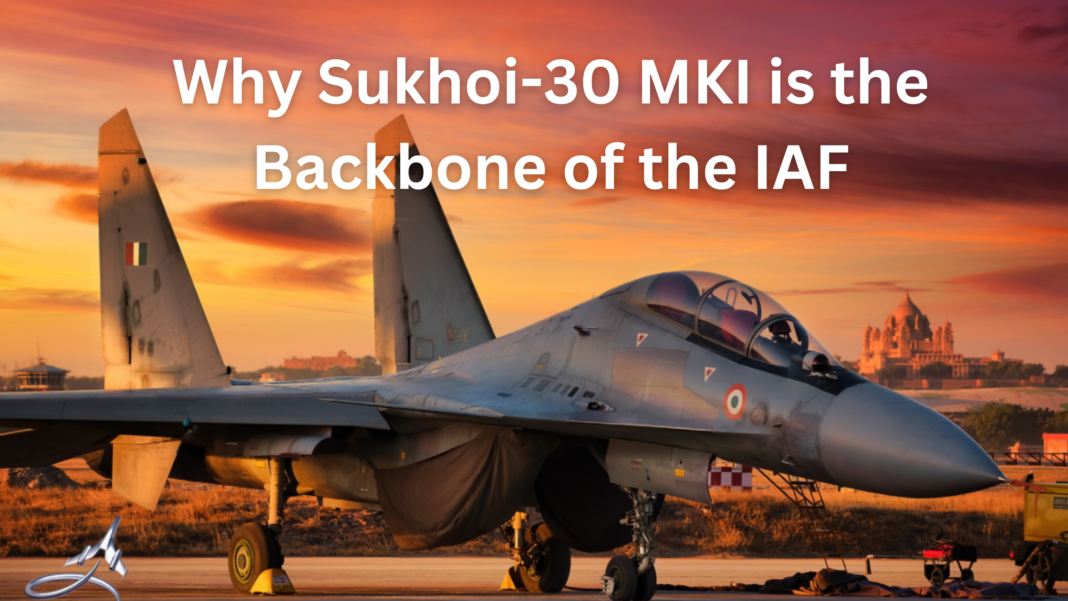
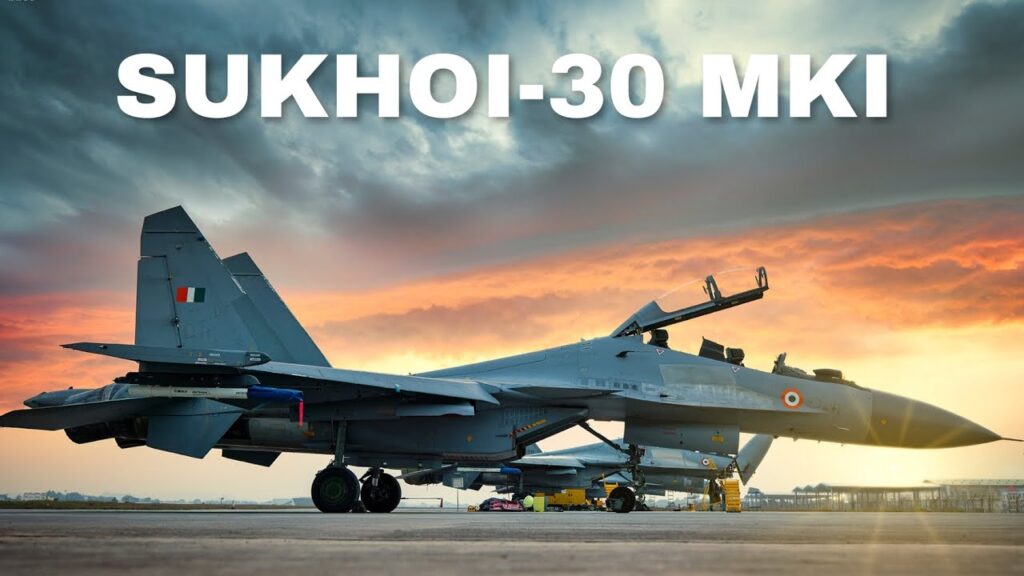
Why Sukhoi-30 MKI is the Backbone of the IAF, The Sukhoi-30 MKI (MKI stands for “Modernizirovannyi Kommercheskiy Indiski” in Russian, meaning “Modernized Commercial Indian”) is the primary multirole fighter jet of the Indian Air Force (IAF). Its significance in maintaining the strength and readiness of the IAF cannot be overstated. This article delves into the myriad reasons why the Sukhoi-30 MKI is considered the backbone of the IAF, exploring its development, capabilities, strategic importance, and contributions to India’s air defense.
Read More: NASA to Train Indian Astronauts for Groundbreaking Joint ISS Mission: Insights from Garcetti 2024
Development and Induction
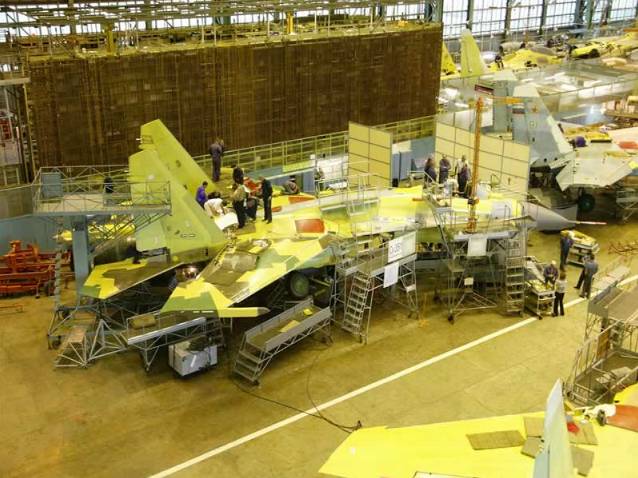
The Sukhoi-30 MKI’s journey began in the mid-1990s when India sought to modernize its air force with a multirole combat aircraft capable of long-range missions. Russia’s Sukhoi Design Bureau developed the Su-30, and the MKI variant was specifically tailored for Indian needs. The first agreement for 50 aircraft was signed in 1996, and the first batch arrived in 2002. Since then, the aircraft has been produced under license by Hindustan Aeronautics Limited (HAL), with continuous upgrades integrating advanced technology and indigenous systems.
Versatile Capabilities
Multirole Combat Prowess
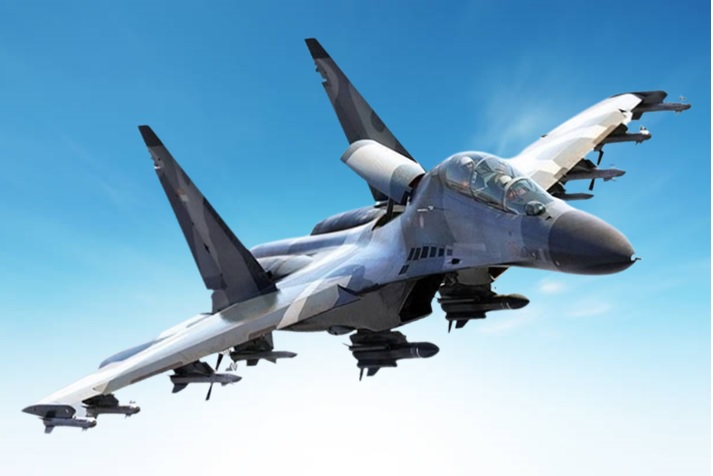
The Sukhoi-30 MKI is a multirole fighter, meaning it can perform a variety of missions, including air superiority, ground attack, and reconnaissance. This versatility makes it invaluable to the IAF, allowing it to adapt to various combat scenarios.
Advanced Avionics and Weaponry
Equipped with state-of-the-art avionics, the Sukhoi-30 MKI boasts a phased array radar, a head-up display, and advanced electronic countermeasures. Its weaponry includes air-to-air missiles, air-to-ground missiles, guided bombs, and rockets. The aircraft can engage targets at long ranges, thanks to its R-77 and R-27 air-to-air missiles, and can deliver precision strikes with BrahMos-A supersonic cruise missiles.
Superior Maneuverability
One of the defining features of the Sukhoi-30 MKI is its thrust-vectoring control, which grants it exceptional maneuverability. This capability is crucial in dogfights, allowing the aircraft to perform complex aerial maneuvers that give it an edge over adversaries.
Strategic Importance
Extended Range and Endurance
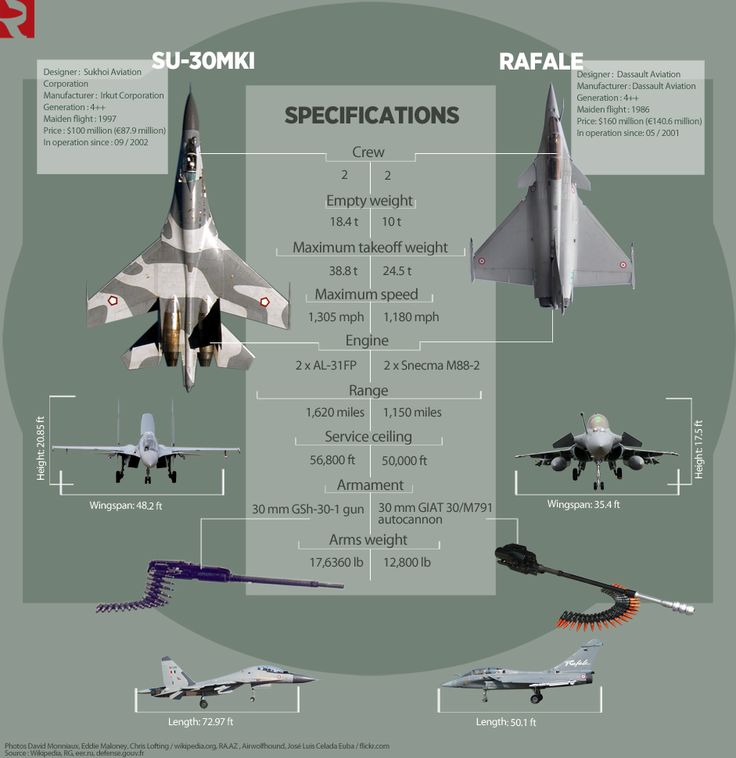
The Sukhoi-30 MKI has a combat range of over 3,000 kilometers without refueling, which can be extended with aerial refueling. This extensive range allows the IAF to project power across vast distances, covering the entire Indian subcontinent and beyond.
Deterrence and Quick Response
In times of tension, the Sukhoi-30 MKI serves as a powerful deterrent. Its quick response capability ensures that India can effectively counter any aerial threat. The aircraft’s ability to carry out quick deployment and sustained operations makes it a formidable asset in India’s defense strategy.
Force Multiplier
As a force multiplier, the Sukhoi-30 MKI enhances the effectiveness of other components of the IAF. Its advanced sensors and communication systems enable it to serve as an airborne command and control center, coordinating the efforts of other aircraft and ground units.
Operational Successes
Balakot Airstrike
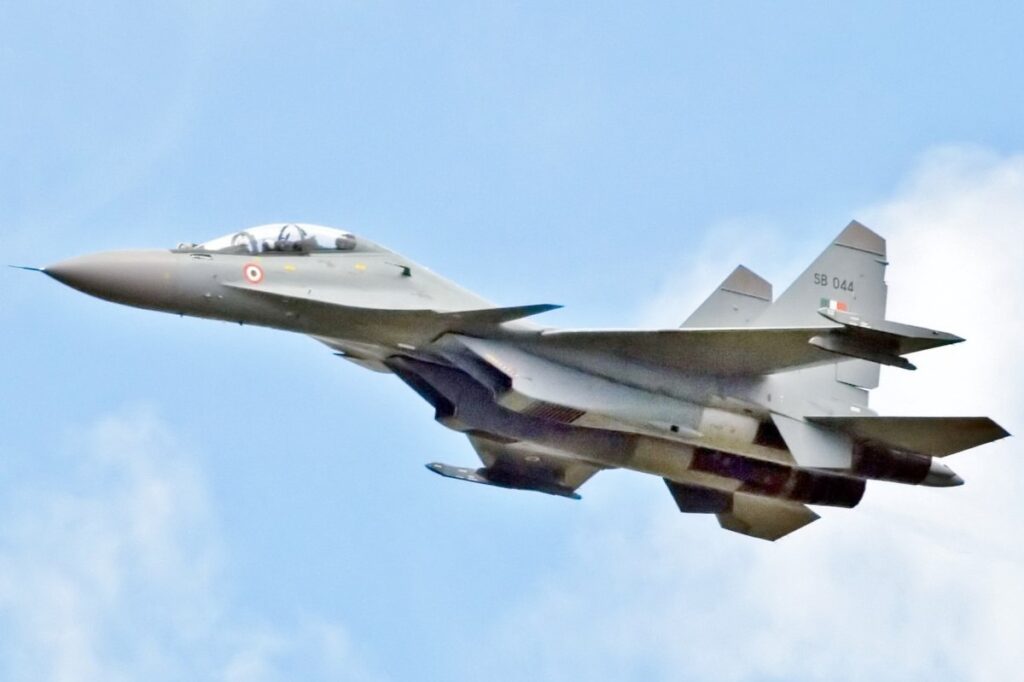
One of the most significant operational successes of the Sukhoi-30 MKI was during the Balakot airstrike in February 2019. The aircraft played a pivotal role in the mission, showcasing its capability to conduct precision strikes deep within enemy territory. This mission demonstrated the strategic reach and combat readiness of the IAF, with the Sukhoi-30 MKI at the forefront.
Combat Exercises
The Sukhoi-30 MKI has also shone in various international and domestic combat exercises. Exercise Red Flag, held in the United States, saw the aircraft perform exceptionally well against some of the best air forces in the world. These exercises underscore the combat capabilities and interoperability of the Sukhoi-30 MKI with other air force assets.
Indigenous Upgrades and Future Prospects
Integration of Indigenous Systems
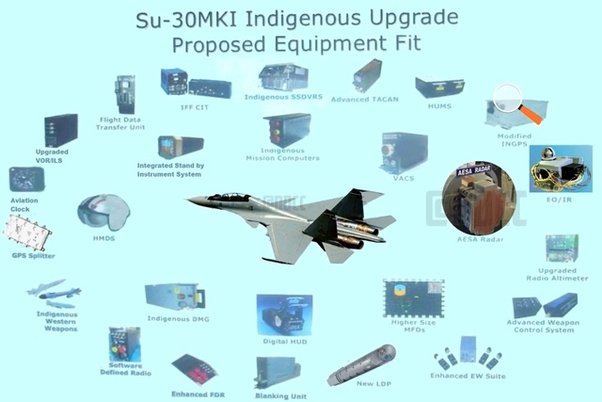
The continuous integration of indigenous systems has been a hallmark of the Sukhoi-30 MKI program. HAL has worked extensively to incorporate Indian-made avionics, electronic warfare suites, and weaponry. This not only enhances the aircraft’s capabilities but also reduces dependence on foreign suppliers.
Future Upgrades
Looking ahead, the Sukhoi-30 MKI is set to receive further upgrades to maintain its edge. These include the installation of AESA (Active Electronically Scanned Array) radar, new-generation air-to-air and air-to-ground missiles, and enhanced electronic warfare capabilities. These upgrades will ensure that the Sukhoi-30 MKI remains a formidable force in the coming decades.
Conclusion
The Sukhoi-30 MKI’s blend of versatility, advanced technology, and strategic importance cements its status as the backbone of the IAF. Its development and continuous upgrades reflect India’s commitment to maintaining a robust and capable air force. The aircraft’s operational successes and its role as a force multiplier underscore its vital contribution to India’s national security. As India continues to modernize its military, the Sukhoi-30 MKI will undoubtedly remain a cornerstone of its aerial combat capabilities.
FAQs
What is the Sukhoi-30 MKI?
The Sukhoi-30 MKI is a multirole fighter aircraft developed by Russia’s Sukhoi Design Bureau and customized for the Indian Air Force. It is produced under license by Hindustan Aeronautics Limited (HAL) and is equipped with advanced avionics, weaponry, and maneuverability features.
Why is the Sukhoi-30 MKI important to the IAF?
The Sukhoi-30 MKI is considered the backbone of the Indian Air Force due to its versatility in performing a variety of missions, including air superiority, ground attack, and reconnaissance. Its advanced technology, extended range, and superior maneuverability make it a critical component of India’s air defense strategy.
What are the key capabilities of the Sukhoi-30 MKI?
Key capabilities of the Sukhoi-30 MKI include its advanced avionics (such as phased array radar and electronic countermeasures), a wide range of weaponry (including air-to-air and air-to-ground missiles), and exceptional maneuverability provided by thrust-vectoring control.
How does the Sukhoi-30 MKI enhance India’s defense strategy?
The Sukhoi-30 MKI enhances India’s defense strategy by providing extended range and endurance, allowing for power projection across vast distances. It serves as a powerful deterrent, ensuring quick response capabilities, and acts as a force multiplier by coordinating efforts of other aircraft and ground units.
What are some operational successes of the Sukhoi-30 MKI?
The Sukhoi-30 MKI has been involved in significant operations like the Balakot airstrike in 2019, where it showcased its precision strike capabilities. It has also excelled in international combat exercises, such as Exercise Red Flag in the United States, demonstrating its combat effectiveness and interoperability.
What upgrades are planned for the Sukhoi-30 MKI?
Future upgrades for the Sukhoi-30 MKI include the installation of AESA radar, new-generation air-to-air and air-to-ground missiles, and enhanced electronic warfare capabilities. These upgrades aim to maintain the aircraft’s edge and ensure its effectiveness in future combat scenarios.
How has the Sukhoi-30 MKI program integrated indigenous systems?
The Sukhoi-30 MKI program has seen significant integration of indigenous systems, with HAL incorporating Indian-made avionics, electronic warfare suites, and weaponry. This reduces dependence on foreign suppliers and enhances the aircraft’s overall capabilities.