Overcoming Anxiety and Panic Attacks in 2024 Strategies for Mental Well-being
Overcoming Anxiety and Panic Attacks in 2024 ,Living with anxiety and experiencing panic attacks can be challenging, but it’s important to know that you are not alone, and there are effective strategies to help manage and overcome these conditions. In this guide, we will explore practical tips and techniques to clear anxiety and cope with panic attacks in 2024, promoting a healthier and happier life.
Read More: The Rising Tide of Solar Renewable Energy: Navigating Challenges and Embracing Opportunities in 2024
Understanding Anxiety and Panic Attacks
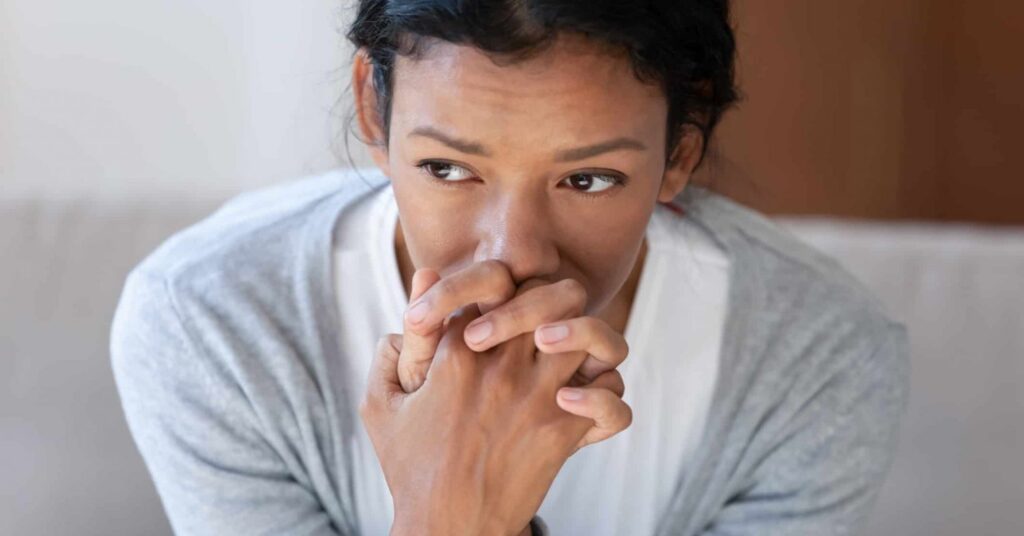
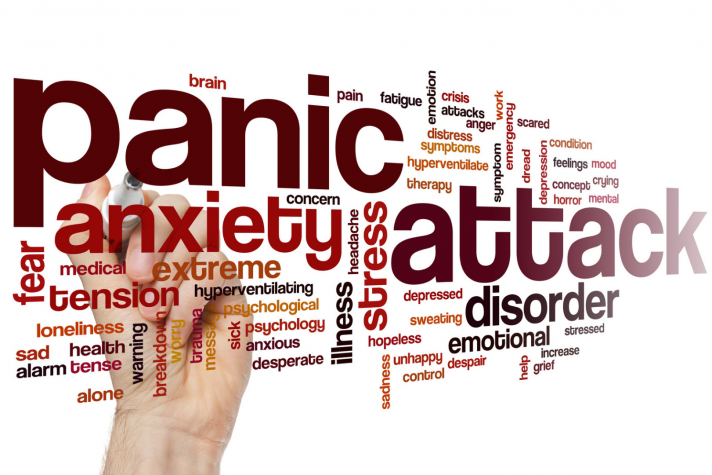
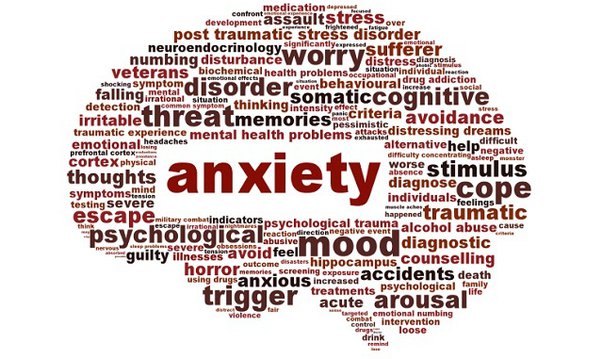
Anxiety is a common mental health condition characterized by feelings of worry, fear, or unease that can range from mild to severe. Panic attacks, on the other hand, are sudden episodes of intense fear or discomfort accompanied by physical symptoms such as rapid heart rate, sweating, and shortness of breath. Understanding the triggers and symptoms is the first step towards managing these conditions effectively.
Seek Professional Support

The first and most crucial step in dealing with anxiety and panic attacks is to seek professional help. Consult a mental health professional such as a therapist, psychologist, or psychiatrist who can provide a proper diagnosis and develop a personalized treatment plan tailored to your needs. Therapy sessions, counseling, and medication can be beneficial in managing anxiety symptoms.
Practice Mindfulness and Relaxation Techniques
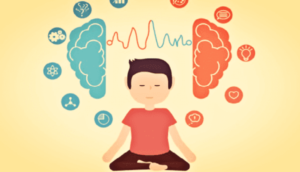
Mindfulness and relaxation techniques are powerful tools in managing anxiety and panic attacks. Practice deep breathing exercises, meditation, yoga, or progressive muscle relaxation to calm your mind and body. These techniques help reduce stress levels, improve focus, and promote a sense of overall well-being.
Identify and Challenge Negative Thought Patterns
Negative thought patterns often contribute to anxiety and panic attacks. Identify negative self-talk, irrational fears, or catastrophic thinking patterns. Challenge these thoughts by questioning their validity and replacing them with more realistic and positive affirmations. Cognitive-behavioral therapy (CBT) techniques can be particularly helpful in restructuring negative thought patterns.
Establish Healthy Lifestyle Habits
Maintaining a healthy lifestyle plays a significant role in managing anxiety and promoting mental well-being. Prioritize regular exercise, balanced nutrition, adequate sleep, and avoiding substances like alcohol and caffeine that can exacerbate anxiety symptoms. Physical activity releases endorphins, which are natural mood lifters, and promotes better sleep quality.
Create a Supportive Environment

Surround yourself with a supportive network of friends, family, or support groups who understand and validate your feelings. Engage in meaningful social interactions, seek emotional support when needed, and avoid isolation. Sharing your experiences with others can reduce feelings of loneliness and provide a sense of belonging.
Practice Stress Management Techniques
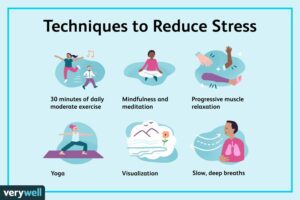
Stress is a common trigger for anxiety and panic attacks. Learn and practice stress management techniques such as time management, prioritization, and problem-solving skills. Set realistic goals, delegate tasks when possible, and practice saying no to avoid overwhelming yourself.
Develop Coping Strategies for Panic Attacks

If you experience panic attacks, it’s essential to develop coping strategies to manage them effectively. Practice grounding techniques such as focusing on your breath, using positive self-talk, and engaging in activities that distract and calm your mind during an attack. Create a “panic attack toolkit” with items or strategies that help you cope during challenging moments.
Stay Informed and Educate Yourself

Knowledge is empowering when it comes to managing anxiety and panic attacks. Educate yourself about your condition, learn about triggers, coping mechanisms, and available resources. Attend workshops, read books, or access reputable online resources related to mental health and anxiety management.
Conclusion
Clearing anxiety and coping with panic attacks require a holistic approach that combines professional support, mindfulness practices, challenging negative thoughts, healthy lifestyle habits, social support, stress management, coping strategies, and ongoing education. By implementing these strategies consistently, you can improve your mental well-being, reduce anxiety symptoms, and regain control over your life in 2024.
Remember, it’s okay to ask for help and prioritize your mental health. You deserve to live a life free from the grip of anxiety and panic attacks.
Frequently Asked Questions (FAQs)
Q1: What is the difference between anxiety and a panic attack?
A1: Anxiety is a persistent feeling of worry, fear, or unease, while a panic attack is a sudden episode of intense fear or discomfort accompanied by physical symptoms such as rapid heartbeat, sweating, and shortness of breath. Anxiety can be a long-term condition, while panic attacks are usually acute episodes.
Q2: How can I tell if I’m experiencing anxiety or having a panic attack?
A2: Anxiety often involves persistent feelings of apprehension, worry, or fear that may be generalized or specific to certain situations. Panic attacks, on the other hand, are sudden and intense episodes of fear or discomfort that can include physical symptoms such as chest pain, dizziness, or a sense of impending doom. Consulting a healthcare professional for an accurate diagnosis is recommended.
Q3: What are some effective relaxation techniques for managing anxiety?
A3: Effective relaxation techniques for managing anxiety include deep breathing exercises, progressive muscle relaxation, meditation, yoga, and guided imagery. These techniques help calm the mind and body, reduce stress levels, and promote a sense of relaxation and well-being.
Q4: Can lifestyle changes help in reducing anxiety and preventing panic attacks?
A4: Yes, adopting healthy lifestyle habits can significantly reduce anxiety and prevent panic attacks. Prioritize regular exercise, balanced nutrition, adequate sleep, avoiding substances like alcohol and caffeine, and engaging in stress-reducing activities such as hobbies, socializing, and self-care practices.
Q5: When should I seek professional help for anxiety or panic attacks?
A5: It’s important to seek professional help if anxiety or panic attacks significantly interfere with your daily life, relationships, work, or school performance. If symptoms persist, worsen over time, or cause distress, consulting a mental health professional such as a therapist, psychologist, or psychiatrist is advisable for proper diagnosis and treatment.
Q6: Are there support groups or online resources for individuals dealing with anxiety and panic attacks?
A6: Yes, there are support groups, online forums, and reputable resources dedicated to supporting individuals dealing with anxiety and panic attacks. These platforms provide information, peer support, coping strategies, and a sense of community for individuals navigating mental health challenges.
Q7: Can medication help in managing anxiety and panic attacks?
A7: Medication may be prescribed by healthcare professionals to manage severe anxiety or panic attacks, especially when accompanied by other mental health conditions. Antidepressants, anti-anxiety medications, and beta-blockers are some medications commonly used to alleviate symptoms. It’s essential to follow your healthcare provider’s recommendations and monitor for any side effects.