
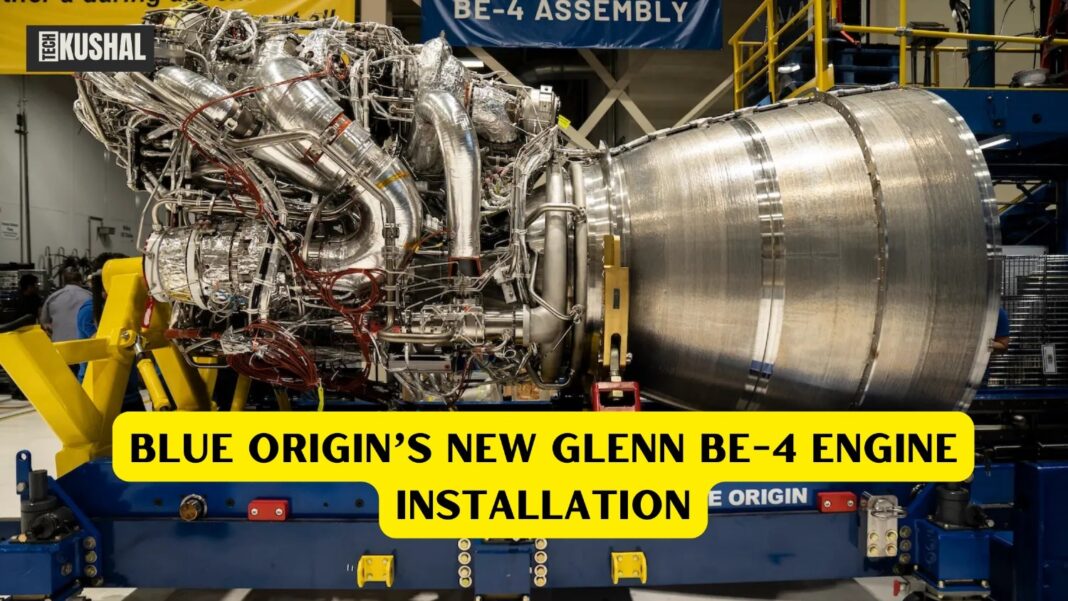
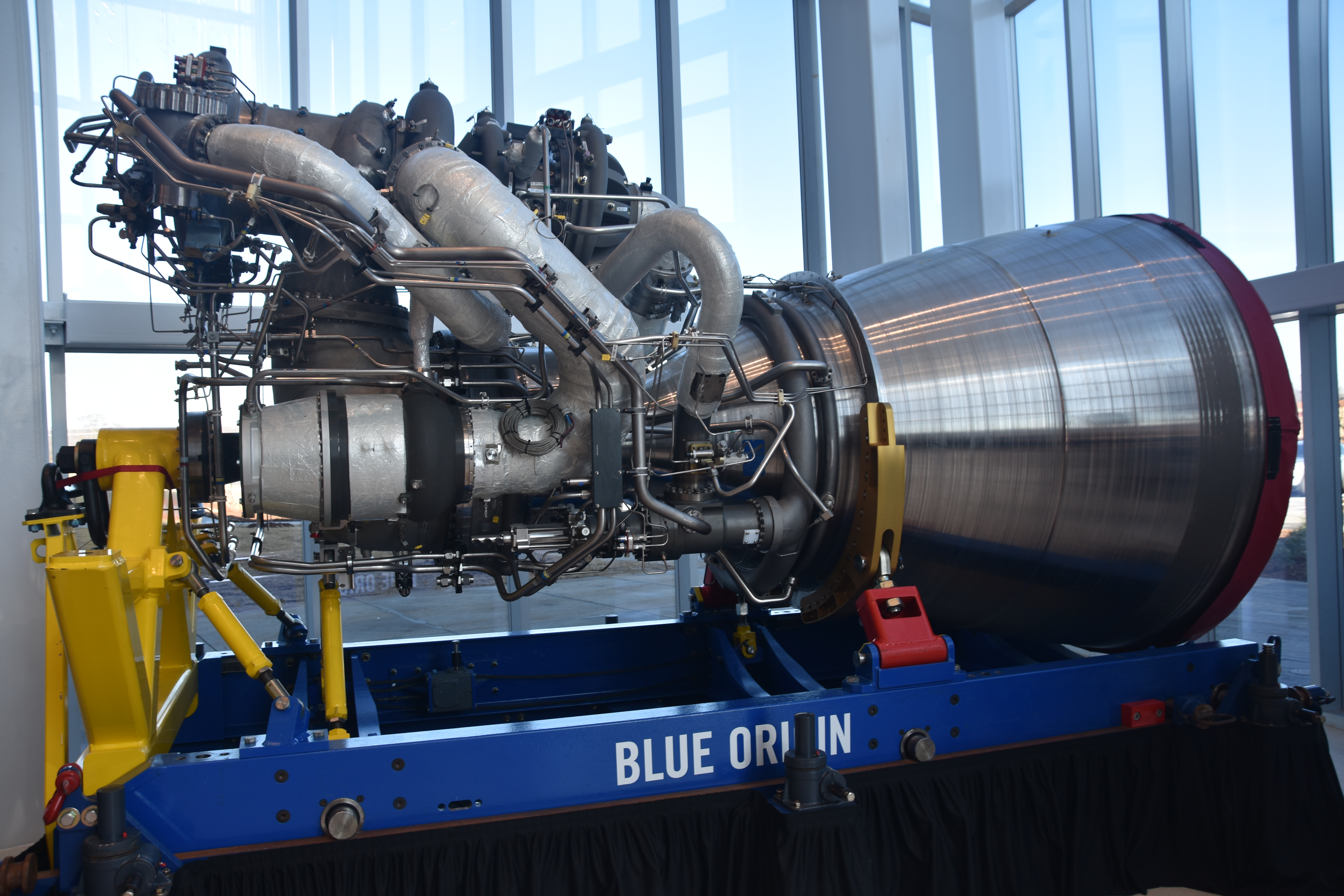
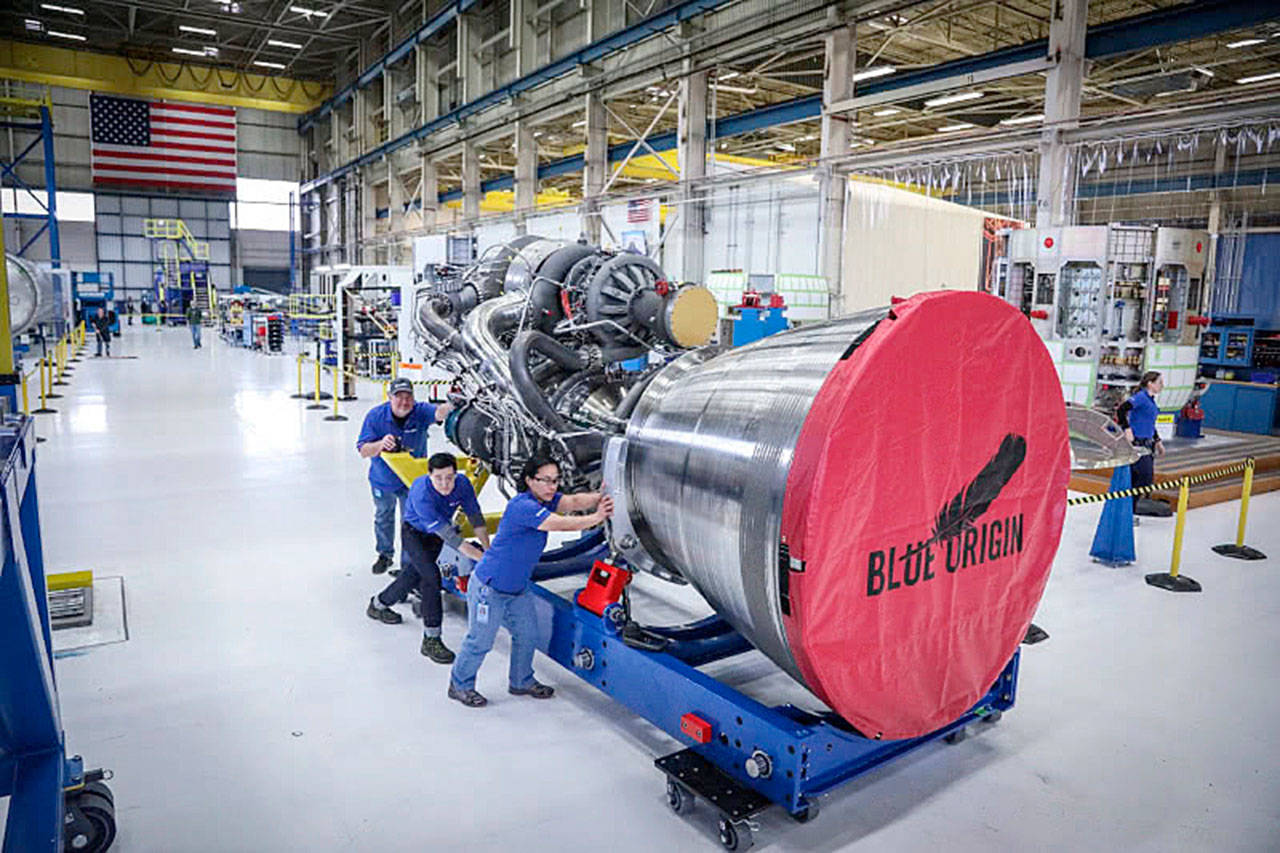
Blue Origin Just Installed New Glenn’s BE-4, Blue Origin, the private aerospace company founded by Jeff Bezos, has taken a significant leap forward by installing BE-4 engines onto its heavy-lift rocket, New Glenn. This milestone positions Blue Origin to expand its presence in space exploration and potentially dominate the aerospace industry. The BE-4 engine, a result of years of meticulous engineering and testing, is one of the most anticipated components of New Glenn and is seen as pivotal for Blue Origin’s ambitions in the commercial and governmental space sectors.
Read More: iOS 18 Features 2024 What to Expect
Overview of the New Glenn Rocket
New Glenn is designed as a two-stage, partially reusable orbital rocket, with a height of approximately 98 meters and the capacity to carry payloads weighing up to 45 metric tons to low Earth orbit (LEO). Named in honor of astronaut John Glenn, the first American to orbit Earth, New Glenn embodies Blue Origin’s mission to make space more accessible and to establish a sustainable human presence beyond Earth.
The rocket’s first stage is engineered for reusability, allowing it to return to Earth and land on a floating platform in the ocean, reducing the costs associated with space missions. The second stage ensures efficient orbital insertion and is tailored for versatile missions, from scientific payloads to satellite deployment and interplanetary exploration.
The BE-4 Engine: A Game-Changer in Space Propulsion
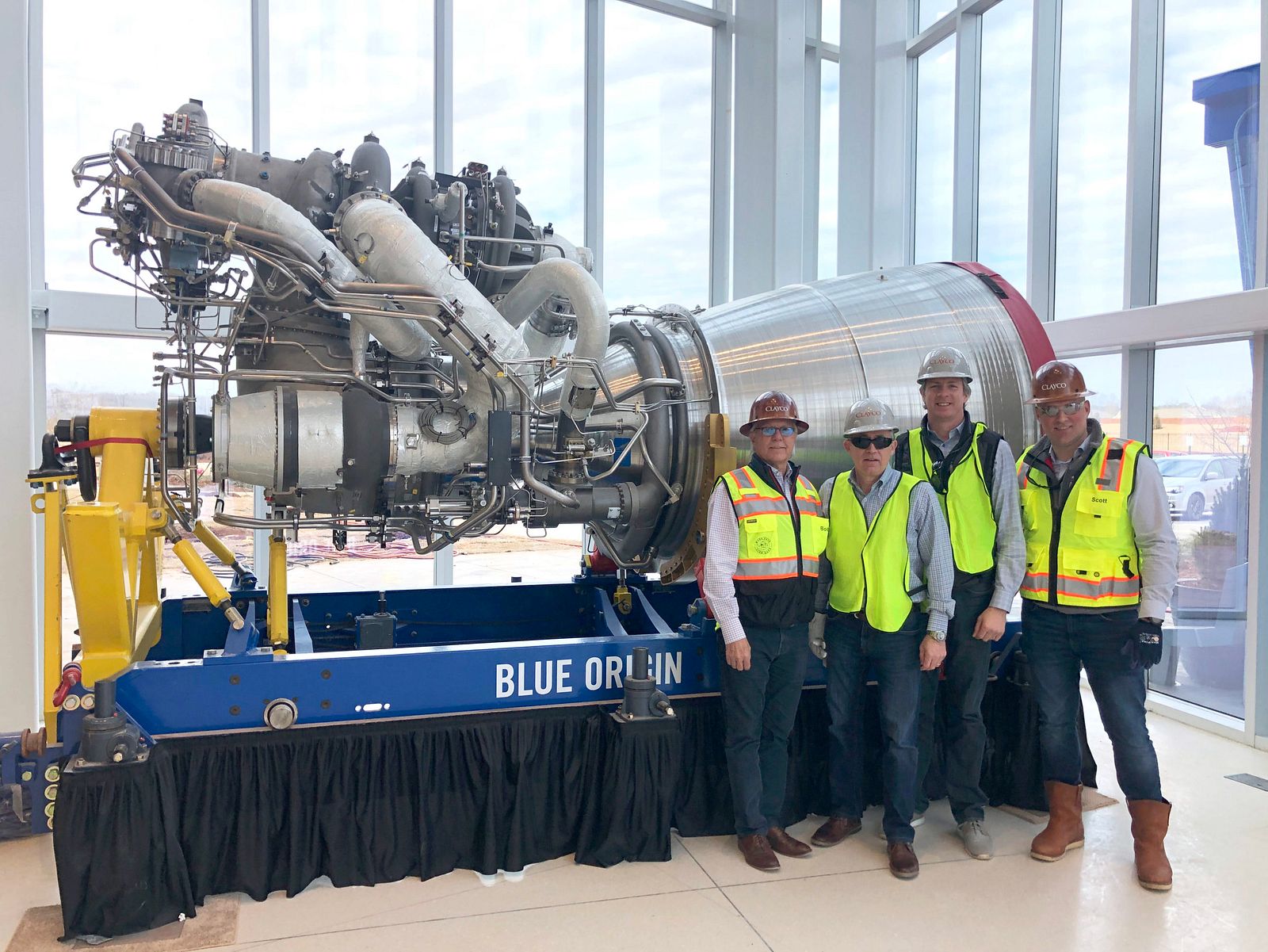
The BE-4 engine is a liquid oxygen (LOX) and liquefied natural gas (LNG) engine designed to power the New Glenn rocket’s first stage. Developed in-house by Blue Origin, the BE-4 represents a major advancement in propulsion technology, offering reliability and efficiency that rival any other rocket engine in existence.
Key Technical Specifications of the BE-4 Engine
- Thrust: Approximately 550,000 pounds of thrust at sea level.
- Fuel Efficiency: LOX/LNG combination provides efficient combustion, contributing to the BE-4’s high performance.
- Reusability: The BE-4 can be reused multiple times, with Blue Origin projecting up to 25 flights per engine.
- Safety: Methane is less toxic and less corrosive than traditional rocket fuels, resulting in improved operational safety.
With the ability to generate enormous thrust, BE-4 engines are poised to revolutionize space propulsion by making reusable rocketry more reliable and cost-effective.
Why BE-4 Engines are Critical for Blue Origin’s Success
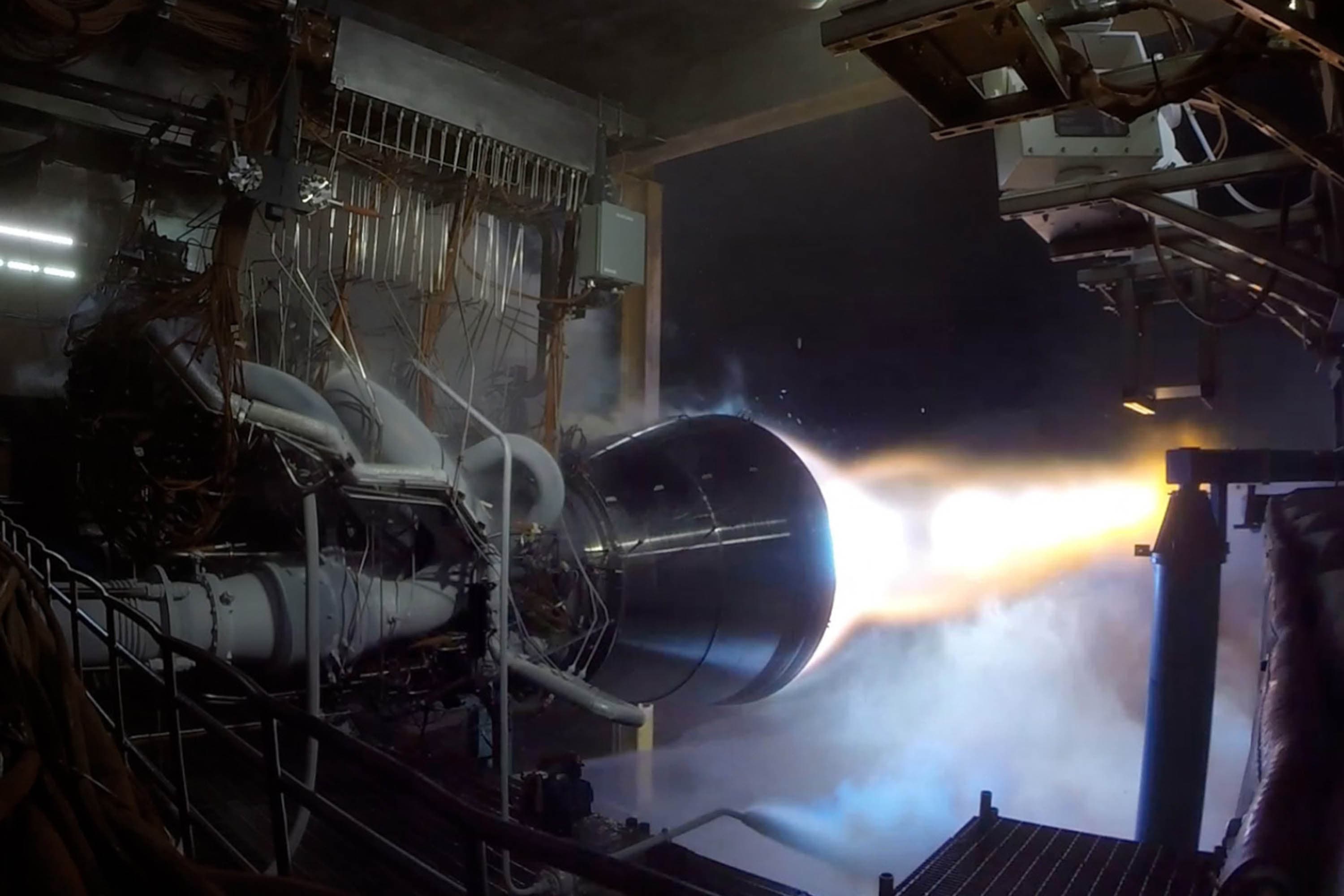
The BE-4 engine has not only positioned Blue Origin to rival other aerospace giants but also opened up new opportunities in the commercial and governmental space sectors. Here’s why BE-4 engines are pivotal for Blue Origin’s success:
- Increased Payload Capacity: The BE-4’s high-thrust capabilities enable New Glenn to deliver larger payloads to space, making it ideal for commercial satellite launches and large-scale missions.
- Enhanced Reusability: The engine’s reusability aligns with Blue Origin’s focus on sustainable space exploration by reducing the costs associated with manufacturing new engines for every launch.
- Strategic Advantage in the Government Sector: The BE-4 engine is designed to be compatible with the United Launch Alliance’s (ULA) Vulcan Centaur rocket, providing an entry point for Blue Origin into government contracts and partnerships.
Installation of the BE-4 Engines: What This Means for New Glenn’s Future
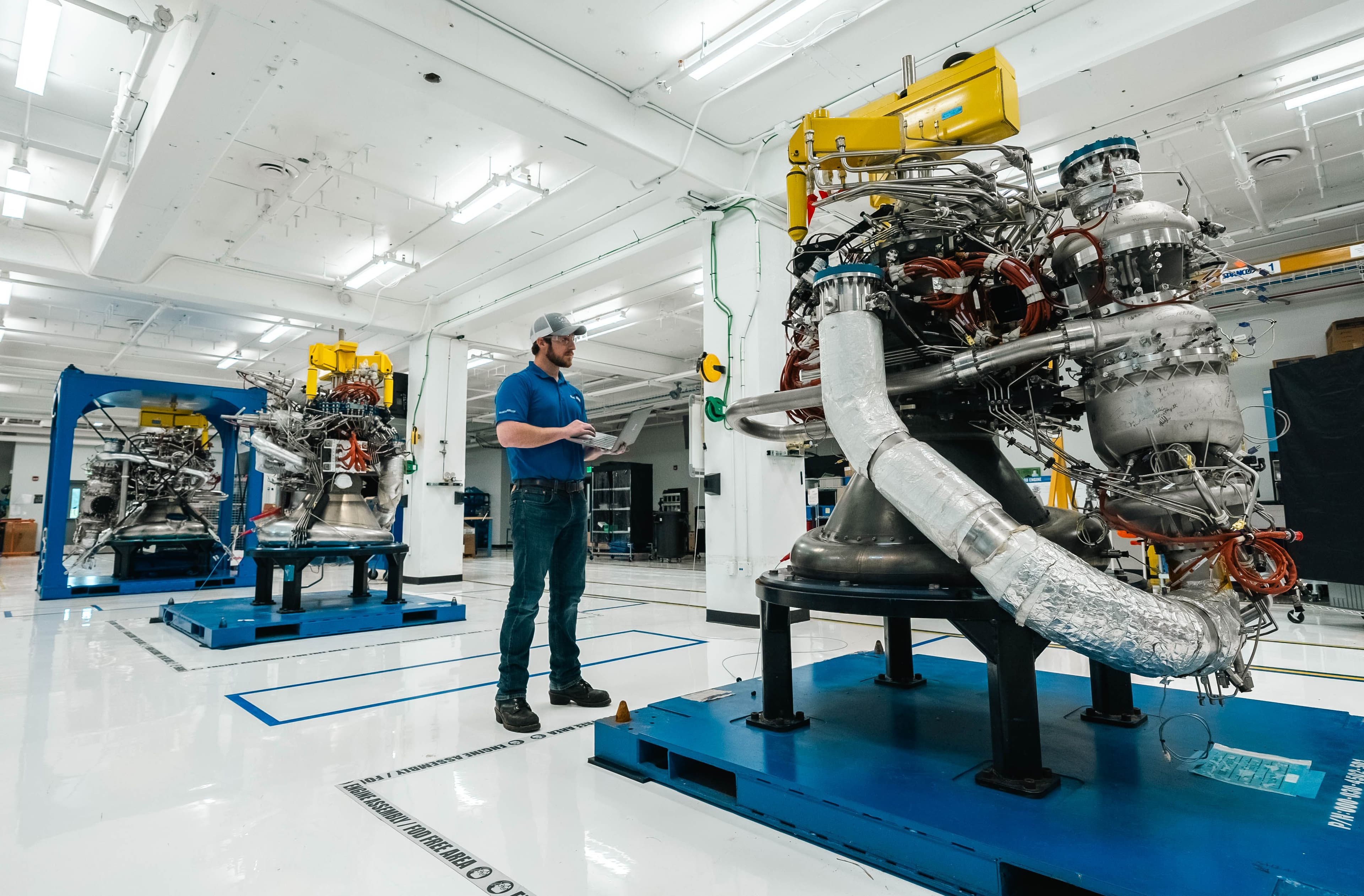
The recent installation of the BE-4 engines on New Glenn signifies a shift from the development to the operational phase for Blue Origin. With the engines now in place, New Glenn can move closer to its long-awaited first flight. Here are some of the critical aspects of what this installation means:
1. Accelerated Testing and Final Preparations
The installation enables Blue Origin to conduct rigorous tests, including static fire tests and full-duration firings. These tests will provide invaluable data on engine performance under launch-like conditions, which is essential for fine-tuning the engine and preparing for a successful inaugural launch.
2. Pathway to First Launch and Operational Readiness
With the BE-4 engines installed, New Glenn’s first flight is on the horizon. The company has already secured several payload contracts, including missions for NASA and commercial satellite operators, setting the stage for New Glenn to play a key role in commercial spaceflight.
3. Strategic Positioning in the Global Launch Market
The BE-4 engines not only make New Glenn a formidable competitor but also position Blue Origin to serve various market needs, from commercial satellite operators to scientific missions. The payload capacity and reliability of the BE-4 give Blue Origin an advantage in the highly competitive launch services industry, where cost-effective, reliable, and reusable rockets are in high demand.
Challenges Faced and How Blue Origin Overcame Them
Developing the BE-4 engine and preparing New Glenn for launch has not been without challenges. Here’s how Blue Origin tackled some of the primary hurdles:
- Technical Hurdles in Engine Design: The LOX/LNG engine design posed unique challenges, as methane-based engines are less common. Through years of testing, Blue Origin achieved stability and reliability in the BE-4’s combustion process.
- Delayed Testing Phases: Setbacks in engine testing initially delayed New Glenn’s launch schedule. Blue Origin responded by expanding its testing facilities and accelerating development, ensuring the engine met all safety and performance standards.
- Regulatory and Competitive Pressures: As an emerging leader, Blue Origin had to navigate regulatory environments while keeping pace with competitors. By developing the BE-4 in-house and collaborating with established entities like ULA, Blue Origin positioned itself as a competitive and compliant player in aerospace.
Comparing BE-4 Engines with Competitors
The BE-4 engine stands out from other engines used by companies such as SpaceX and ULA. Here’s how the BE-4 compares with its primary competitors:
- BE-4 vs. Merlin 1D (SpaceX): While SpaceX’s Merlin 1D engine is efficient, it uses RP-1 (a type of kerosene) as fuel, which doesn’t burn as cleanly as methane. The BE-4’s choice of LNG results in cleaner combustion, potentially reducing maintenance requirements.
- BE-4 vs. Raptor (SpaceX): The Raptor engine, which also uses methane, is similar in efficiency to the BE-4 but is designed for higher thrust levels for missions to Mars. BE-4, however, is optimized for Earth-based orbital missions, making it more specialized for LEO missions.
- BE-4 vs. RL10 (ULA): The RL10 engine is a high-performance engine used for upper-stage operations, but its thrust capacity is lower than that of the BE-4. The BE-4’s thrust levels make it better suited for launch vehicle first stages.
The Future of Blue Origin and New Glenn
With BE-4 engines installed, Blue Origin is poised to expand its market reach and secure its place as a leader in the aerospace industry. The development and deployment of New Glenn and BE-4 engines will open up new commercial possibilities, from heavy payload launches to interplanetary exploration.
Expanding Blue Origin’s Role in Government Missions
Blue Origin’s collaboration with ULA allows the company to access lucrative government contracts, especially as BE-4 engines are integrated into the Vulcan Centaur rocket. This collaboration could lead to more government-backed missions, solidifying Blue Origin’s strategic importance in U.S. space exploration.
Potential Partnerships and Market Expansion
With a versatile launch vehicle like New Glenn, Blue Origin can appeal to a broad range of clients, from telecommunications companies to research institutions. The company’s dedication to sustainable and reusable rocketry could also attract partners interested in environmentally conscious space exploration.
Conclusion
The installation of BE-4 engines on New Glenn marks a pivotal point for Blue Origin, pushing the company closer to realizing its ambitions in commercial and governmental space missions. With these engines, New Glenn will offer a reusable, efficient, and powerful launch vehicle, ready to serve a diverse market. The BE-4 engine’s unique design and impressive specifications make it a cornerstone in Blue Origin’s mission to make space more accessible and to support a future where humanity can live and work beyond Earth.
FAQs on Blue Origin’s New Glenn BE-4 Engine Installation
1. What is the purpose of Blue Origin’s New Glenn rocket?
New Glenn is designed as a heavy-lift rocket capable of carrying large payloads to low Earth orbit (LEO) and beyond. It is part of Blue Origin’s mission to make space more accessible and support commercial and government space missions.
2. What makes the BE-4 engine unique?
The BE-4 engine is a methane-fueled (liquefied natural gas) rocket engine, developed by Blue Origin to power New Glenn’s first stage. It features a high thrust capability, efficient fuel use, and reusable design, making it a reliable and cost-effective choice for heavy-lift missions.
3. Why did Blue Origin choose liquefied natural gas (LNG) as fuel?
Blue Origin selected LNG for its environmental benefits, clean combustion, and lower corrosive properties compared to kerosene (RP-1). This choice improves operational safety and engine durability, allowing for multiple reuses of the BE-4 engines.
4. How much thrust does the BE-4 engine produce?
Each BE-4 engine produces approximately 550,000 pounds of thrust at sea level, which allows New Glenn to lift heavy payloads into orbit efficiently.
5. Is the BE-4 engine reusable?
Yes, the BE-4 engine is designed for reusability, with Blue Origin estimating up to 25 flights per engine. This reusability lowers the overall costs of each launch by reducing the need to manufacture new engines.
6. How does the BE-4 engine compare to SpaceX’s Merlin 1D and Raptor engines?
The BE-4 uses LNG, while SpaceX’s Merlin 1D uses RP-1 kerosene. The BE-4 offers cleaner combustion and better reusability. Compared to the Raptor, which also uses methane fuel, BE-4 is optimized for Earth-based missions, while Raptor is intended for more powerful thrust and deep-space missions.
7. What benefits does the BE-4 engine bring to the New Glenn rocket?
The BE-4 engine provides the thrust required for New Glenn’s heavy-lift capabilities, enabling it to carry up to 45 metric tons to LEO. Its reusability also helps reduce launch costs, making it more competitive in the commercial space market.
8. Has Blue Origin secured any launch contracts for New Glenn?
Yes, Blue Origin has secured multiple contracts, including payload delivery missions for NASA and commercial satellite operators. These contracts affirm New Glenn’s viability and relevance in the space industry.
9. What is the significance of BE-4’s compatibility with ULA’s Vulcan Centaur rocket?
By using the BE-4 engine on the Vulcan Centaur, Blue Origin has increased its opportunities in government and defense missions, allowing them to access a broader range of contracts and partnerships within the aerospace sector.
10. When is New Glenn expected to launch?
While an exact launch date has yet to be confirmed, the installation of the BE-4 engines indicates that Blue Origin is nearing the final testing and operational readiness phases for New Glenn’s first flight.
11. What challenges did Blue Origin face in developing the BE-4 engine?
Blue Origin faced technical challenges related to methane fuel handling and combustion stability. Extensive testing allowed them to refine the design and achieve the performance standards required for safe, reliable operation.
12. How does New Glenn contribute to Blue Origin’s overall vision?
New Glenn is central to Blue Origin’s vision of expanding human presence beyond Earth. The rocket will support commercial, scientific, and exploratory missions, contributing to a sustainable future in space.


